Op-Ed
Demythologizing Mexico Is Mexico really a poor country?
Published:
Op-Ed
Is Mexico a poor country? The answer is no, yet it is a very persistent idea that people who don’t live in the country or have never visited it have and once they do end up seeing a very different reality. Where did this idea come from? Why does it persist? The answer to those questions are simple: the stereotypical image presented by the media and the belief that the economy, particularly GDP, is an indicator of a county’s wealth.
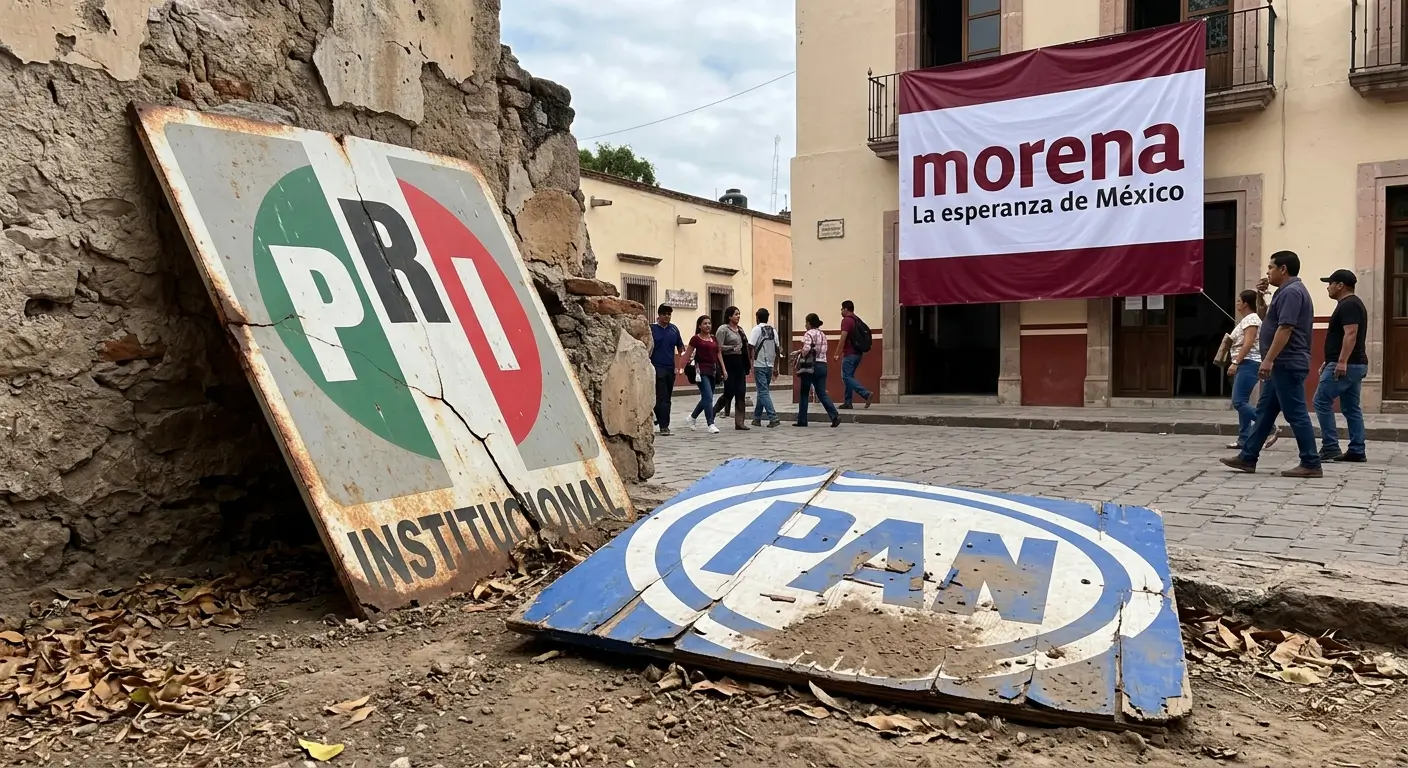
The first point seems to be pretty self-explanatory, but it is important to go a little deeper to fully understand where the stereotypical image of the country comes from. The earliest images of Mexico that many people in the United States ever saw could be dated back to the early part of the the 20th century and more specifically images of the Mexican Revolution. It is the revolutionary soldier and people like Pancho Villa that created the stereotypical Mexican and the fact that most of the images filmed occurred in the northern part of the country that the “typical” Mexican town also appeared. Small, dirty desert towns in the middle of nowhere filled with rough-looking bandits and no law, similar to the stereotypical US western town, we could say both images are the same. That image didn’t change much for a very long time but in more recent times it has been modified adding the drug lords into the mix and continuing this dirty, depressing and poor imagery via sepia filters, even in a modern cosmopolitan city like Mexico City. All of this feeds into the collective consciousness of people who don’t know about the country and it brings ignorant commentary from members of the media that don’t know anything about Mexico or bother to learn about it.
The other thing that adds to the image of Mexico as being poor is the migrants that come to the United States, be it legally or illegally, which is a perfect segue to the second point.
The economic reality in Mexico is very complicated as it is linked by the country’s history and the various social and economic policies put in effect. Looking at Mexico’s economy via de GDP as the sole indicator to the country’s wealth and compering it to other countries is wrong and misguided. The economy is not an exact science like mathematics or physics, you cannot use the scientific method. The economy is dynamic and relies on the human factor, that is why there are several indicators that also need to be looked at to get the full picture. The Gross Domestic Product only tells us what a country produces and that varies from country to country, but it doesn’t show how the wealth produced by that country is used for. A country could have a big GDP but the conditions of that country could be deplorable and the same could be said of a country with a smaller GDP but conditions being better.
Throughout modern Mexican history there have been periods where the economy was booming yet poverty still existed: wealth created that didn’t benefit a lot of people, mostly the historically marginalized indigenous people and rural communities. The so-called “Porfiriato”(1876-1911) is a good example to begin with, this was the period of the dictatorship of Porfirio Díaz, who brought progress, wealth and prestige to Mexico, yet the poor and the working class got very little to nothing. Of course, this wasn’t particularly rare at the time as anyone who knows history can attest. In the 20th century we can find the so-called “Mexican Miracle”, a period between 1940 and 1970, that found the Mexican economy growing as it focused more on manufacturing and industrializing the country. There was economic stability, wages were decent and the standard of living was high yet not all that wealth went everyone. It’s very clear that while the various economic policies that were put in place strengthen the economy benefited a lot of people it also lacked in other areas, even if there were social safety nets. This was also the moment were a lot of social grievances came about this is the moment where the wealth gap began to increase. One of the most harmful things done to the working class, teachers, doctors and agricultural workers was the co-option of their unions by the ruling party PRI and making them an extension of the party. Not only did unions become a part of the party but new organizations appeared and became a huge problem in the decades to come. The lack of independent unions harmed the unions themselves as trust in them by the general population grew and were and are seen as corrupt. Though things are beginning to change this corporate mentality still exists within them, specially in the leadership and some of the loudest voices against the current government are the small organizations that were created in this period that demand to receive the benefits of the social programs so they can mange them as before.
When neoliberalism was introduced to Mexico in the mid 1980’s and consolidated in the early 90’s our story takes a darker turn as the wealth gap grew exponentially, particularly with the signing of NAFTA (The North American Free Trade Agreement). Once it was in full swing, the Mexican government decided that the best way to make the country attractive to US investments and later to foreign investments in general, was to basically cheapen the country, pitching it as a place with cheap labor. Wages were low and hardly grew, lowering the standards of living, for many people. This is the moment where immigration started to grow, although in the past migrant workers could cross the boarder freely, once the US started to harden the boarder and started building fences and walls made most of the migrants stay in the US due to the fear of not being able to return to their work as before and with the deteriorating economic situation for a lot of Mexicans chasing the so-called “American Dream” to lift themselves and their families became very attractive.
Another devastating effect of neoliberalism was privatization of a lot of State run industries, utilities and banks, which were nationalized in 1982 and re-privatized in the administration of Carlos Salinas de Gortari. This is the moment were a lot of instability began and culminated in 1994 with biggest economic crisis to affect Mexico and the world with the so-called “Tequila Effect.” The year 1994 is when the stability found in the Salinas administration fell apart. Prior to the election of Salinas de Gortari Mexico had one its most significant crisis and the new administration took steps to stabilize the economy but looking back it seemed more smoke and mirrors than a permanent solution. This year was a breaking point for Mexico: social unrest grew and Zapatista movement made its appearance, there was the murder of a presidential candidate and State sponsored violence was used to quell the civil unrest. Besides having the population live with an economic crisis, people were being told that the best path for Mexico to follow was to import goods because it would bring cheaper products, but this only helped to grow the social inequalities as both the agricultural sector, historically forgotten, and the national industry was being dismantled or sold to foreign interests. The same could be said happened to social security, public education and two key industries that the Mexican government had, the state-owned oil company Pemex and the energy sector with CFE (Federal Commission of Electricity). While both social security and public education weren’t totally wiped out, for decades, specially public health care (that is part of the social security system) was being defunded and the pension system that existed for decades was reformed so that the social security system would no longer manage it and went into a fund that would be mostly managed by the banks, similar to what is done in the US. As for public education something similar started to happen, hitting teachers specially hard. To this day it is a challenge for the government to undo the harm done to the teachers or find a good solution to appease those who still have grievances and find what is being done insufficient, at least insufficient to them.
As for the energy sector, Pemex became the piggy bank of the government then it was decided to start dismantling it in favor of foreign companies and the same thing started to happen to CFE. Oil and electric power are the two most important resources the country has and in trying to destroy these two key industries in favor of foreigners put the entire country at risk. Fortunately both companies weren’t destroyed and were saved by the last administration and continued to be strengthen by the current one.
Even though modern Mexico is a country founded on the principle of social justice as the result of the Mexican Revolution, fulfilling that has been difficult and slow. Only a fraction, in my opinion, was achieved in the years following the conclusion of the Revolution, Yes, Mexicans got the right to public education, healthcare and housing, but not everyone had access to them and any social program that went to the poorest sector of society or to rural areas were limited and changed or disappeared with every new administration, even though they were from the same party, presidents wanted to leave their own mark (it was jokingly said that the country was reinvented every six years).
Finally I want to briefly point out that even geographically Mexico was segregated with the north and central parts of Mexico being the more industrialized and rich part of the country, with northern Mexico taking the first spot as it took advantage of it being closer to the boarder with the US. The south and southeast were practically forgotten and this is where the largest percentage of the Mexican population lives in poverty. Tourism, particularly in the Yucatan Peninsula and specially in the state of Quitana Roo where Cancun is located became the biggest source of income for most people.
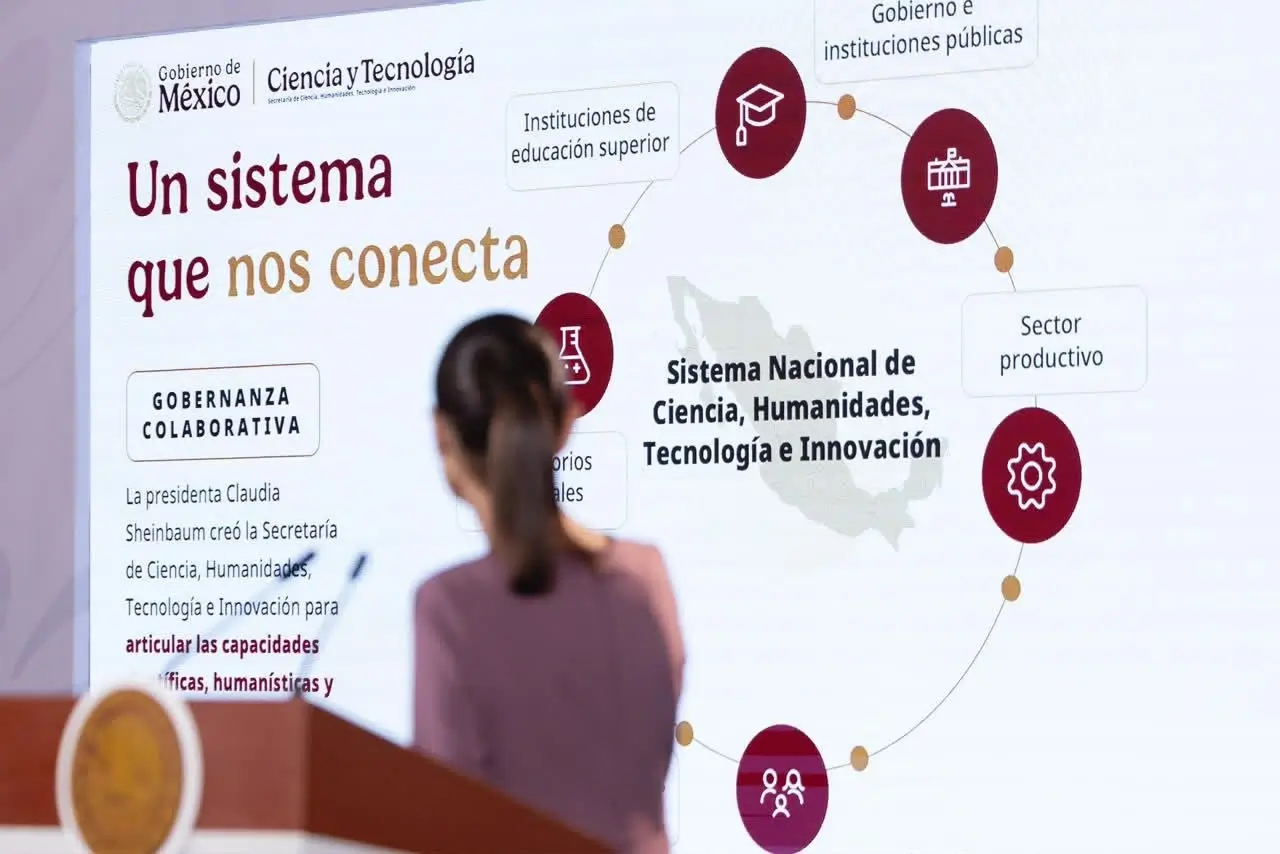
As we can see, Mexico isn’t a poor country but one that has had policies that created an unequal society. Since the election of Andrés Manuel López Obrador in 2018 things have started to change. During his presidential period from 2018-2024, 13.5 million people were lifted from poverty. Since 2019 wages have risen steadily, public healthcare is once again a priority as is education. Public housing, that during the neoliberal period became a source for real estate speculation and corruption, is being fixed to help people finally pay-off credits and fully own their homes and help young people have access to good affordable housing, unemployment is at 2.7% at the time of this writing and inflation is at 3.37% annually and -0.27% for the month of June 2026. There has been a lot of public investments done since 2018 and reforms that have helped to turn the tide. There is still a lot to be done but in the coming years the impact of what has been done will be seen and felt.
Image: Gemini AI
C.R. Infante