Mexico
Mexico’s Economic Key Indicators Show Robust, Historic Growth
Published:
Mexico
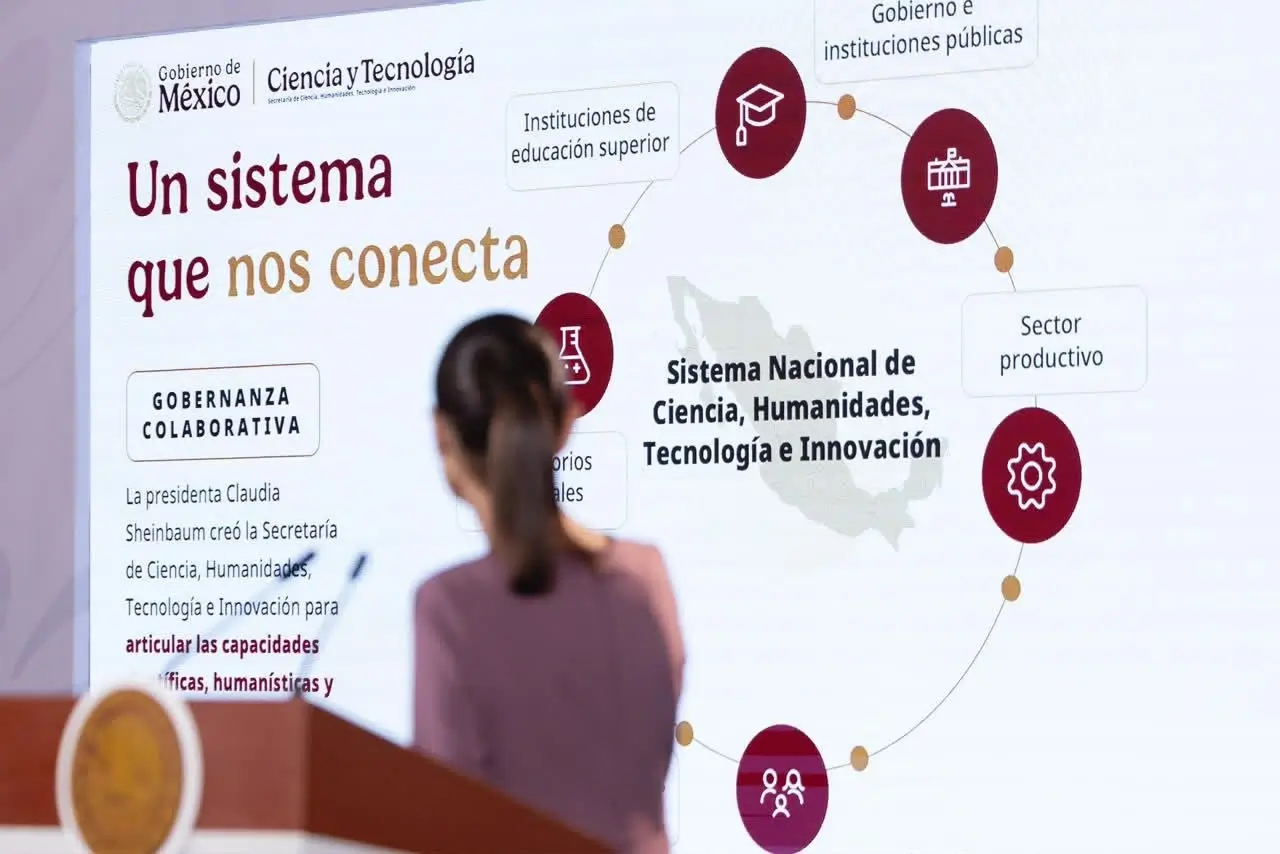
Mexico’s economy continues to show a positive trend in its most important indicators. The country once again ranked among the 10 countries that received the most Foreign Direct Investment, according to a recent report by the United Nations Conference on Trade and Development (UNCTAD). In 2025, it attracted $41 billion USD, an indication that reflects confidence in “the policies of the current administration, the macroeconomic framework, and the stability of the country’s macro-financial variables,” noted Mexico’s Finance Secretary Edgar Amador Zamora on Wednesday during President Claudia Sheinbaum’s morning press conference.
Amador Zamora highlighted that Mexico continues to lead in the increase in the minimum wage among the Organization for Economic Co-operation and Development (OECD) countries. He noted that from 2018 to date, the country ranks first in terms of minimum wage recovery and growth, which is reflected in the increase in purchasing power for Mexican families.
“The report [OECD] showed data from 2021 to the present. But from 2018 to the present, using the same database, Mexico ranks first among the countries that have had the best performance in terms of the minimum wage.”
Mexico also maintains the second-lowest unemployment rate among OECD nations, trailing only Japan.

According to the Finance Secretary the figures presented by the OECD are seasonally adjusted and consistent with the three-month moving average from Mexico’s National Institute of Statistics and Geography (INEGI).
“This shows a dynamic and robust labor market that has been able to coexist with two variable that were often told were ‘incompatible’: on the one hand, wage growth, and on the other hand, job growth and a decrease in unemployment.”
In foreign trade, Mexico and the U.S. bilateral trade has reached a historic level, with total bilateral imports and exports hitting a record of $839 billion USD over the past 12 months. Mexico’s global exports also surged to a record $723 billion USD in the year leading up to May 2026, marking a robust annualized growth rate of 15.6%, stated Amador Zamora.
Regarding economic growth, the International Monetary Fund in its World Economic Outlook projects a 1.2% growth for Mexico in 2026, placing it above economies such as the UK, Germany, France, Japan and Italy. Meanwhile, inflation continues a downward trend, dropping from 3.94% in May to 3.37% in June.
Image: Gemini
Voice of Mexico