Mexico
Expert Panel Deems Fracking Viable in Mexico, Proposes Gradual Path to Reduce Gas Reliance
Published:
Mexico
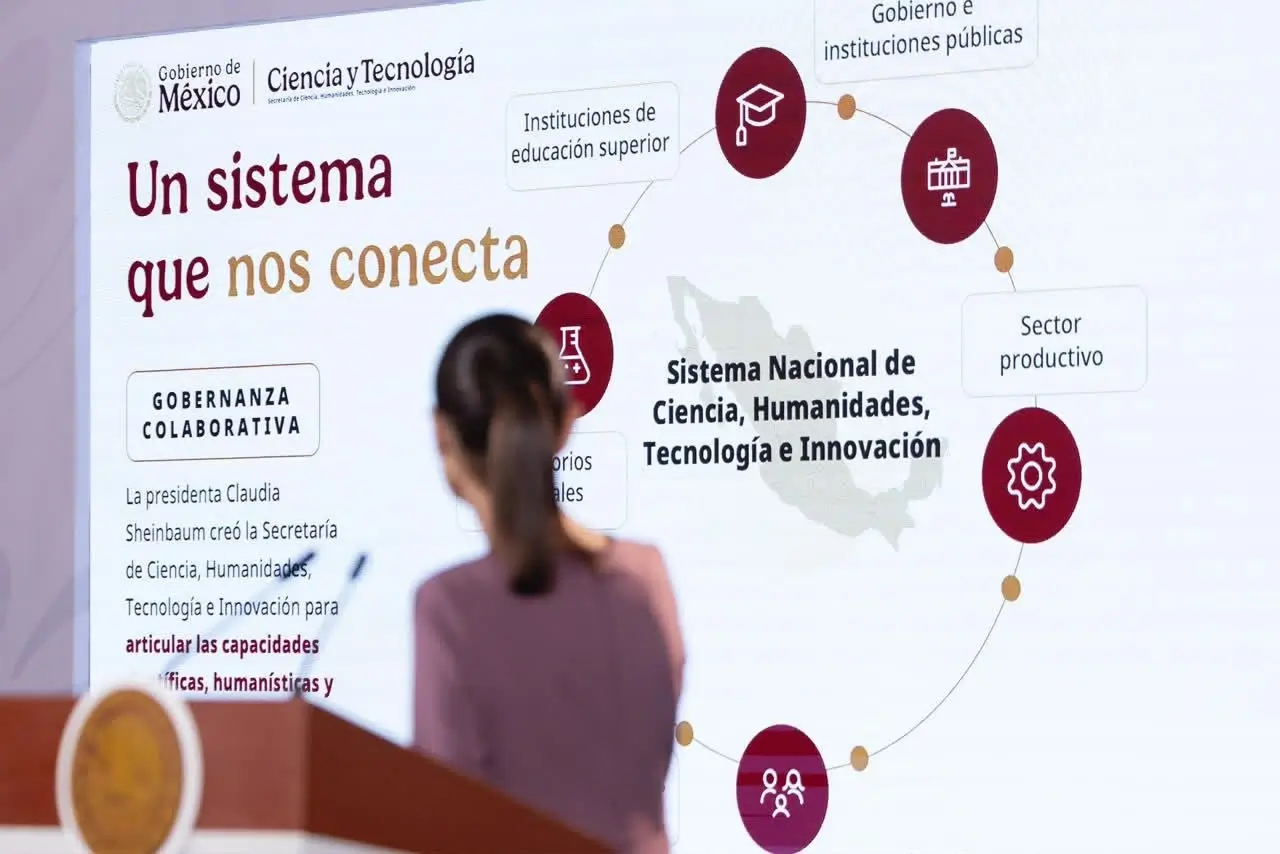
Initial findings and recommendations from a scientists committee convened by President Claudia Sheinbaum—tasked with exploring unconventional natural gas extraction methods that minimize environmental and social impacts to bolster energy sovereignty and reduce import dependence on the U.S., which accounts for 75% of the country’s national consumption—were presented Thursday during President Sheinbaum’s daily press conference.
The scientist committee—composed of 54 specialists from the National Autonomous University of Mexico and the Mexican Institute of Water—concluded that the hydraulic fracturing of unconventional natural gas is viable, but proposed a gradual path to evaluate the feasibility of utilizing these resources based on scientific, environmental, and social criteria.
Mexico possesses prospective resources of 141.5 trillion cubic feet of unconventional natural gas, distributed across three basins: Burgos (53.8%), Sabinas-Burro-Picachos (67%), and Tampico-Misantla (20.7%). However, experts highlighted that this is insufficient to replace imports completely; for this reason, experts recommend—among other measures—accelerating the adoption of renewable energy.
The scientist committee proposed ten preliminary recommendations which will serve as the basis for the Mexican government’s decision-making:
Incorporate rapidly renewable sources of electric power generation.
Implement energy efficiency measures and programs at the national level.
Increase domestic production of conventional natural gas and eliminate the flaring of gas associated with oil production.
Ban natural gas extraction activities from unconventional reservoirs in the Tampico-Misantla Basin region.
Drill wells to confirm the presence of saline water in deep water bodies that are not connected in any way to shallow aquifers.
Conduct studies and drill wells to confirm natural gas reserves in unconventional reservoirs.
Implement best practices regarding waste management, less harmful utilization, and environmental protection actions.
Conduct prior, free, and informed consultations with the population in the areas of influence before commencing any production activity.
Encourage local sourcing to foster regional employment.
Establish independent, external scientific monitoring to support the verification of aquifer integrity, the water balance of producing regions, seismic activity, and ecosystem protection, and to provide ongoing technical advice.
President Sheinbaum recognized the work of the committee, assured the public that the government would adopt all the preliminary conclusions provided, and urged the committee to continue collaborating with the administration, and in the event of unconventional gas extraction, to advise on the technologies required to recycle water, avoid the use of highly toxic substances, and ensure that the majority of the water is recycled. She noted that updates on progress will be reported every two to two-and-a-half months as new findings come in.
Imagen Gemini
Voice of Mexico